Does your Peugeot have a wet cambelt?
The PureTech petrol engine, in 1.0 L and 1.2 L sizes, has been made since 2012 and turns up in the 208, 2008, 308, 3008 and 5008. Wikipedia's list of PSA engines says many versions run the cambelt (the toothed belt that keeps the valves in step with the pistons) bathed in engine oil, and that newer versions moved to a chain from 2023.
That design has a known weak spot. A wet belt that breaks down can crack and shed small particles into the oil, which can clog the oil pump and badly damage the engine. On these cars the belt isn't only a matter of kilometres: the right oil, changed on time, is part of looking after it.
Peugeot diesels and older petrol models use other engines, so don't assume the PureTech story applies to yours. The engine code settles it, and a mechanic can find that from the car.
What a Peugeot cambelt quote should spell out
- Whether your engine has a wet belt, a dry belt or a chain.
- The belt interval for that engine, in kilometres and in years.
- Whether the water pump, tensioner and idler pulleys are being renewed at the same time.
- On a wet belt, whether they'll look at the oil for bits of belt while it's apart.
- The oil going back in, by grade and by the approval the handbook names.
Bought it as a used import?
Plenty of European cars on our roads arrived second-hand, mostly from Japan. Wikipedia's article on grey imports notes that clocked odometers and accident damage in Japan have both been problems with used imports.
If yours came that way, treat the first service as a baseline rather than trusting a record you can't check. Ask the mechanic to confirm the belt or chain and its likely age, and to read the codes with a scan tool that talks to Peugeots. A dealer's Consumer Information Notice has to say whether the car was imported as a damaged vehicle, so keep it with the papers.
Peugeot warranty and an independent garage
A Peugeot inside its new-car warranty can go to an independent garage for servicing. The MTA puts that as low risk when the work follows the maker's guidelines and specifications, though Peugeot could still decline a claim if the garage's own workmanship caused the fault.
Extended warranties are where people get caught: the MTA says most of them require dealer servicing to stay valid. Read the booklet first. And whatever it says, the Consumer Guarantees Act still covers the service you pay for.
Worth asking a garage about your Peugeot
- How often do you work on Peugeots, Citroens or other French cars?
- Is this engine a wet belt, a dry belt or a chain, and when was it last done?
- Can your scan tool read Peugeot's own fault codes and reset the service reminder?
- Are parts for this model on the shelf here, or do they need ordering in?
Your part, and the garage's
You can
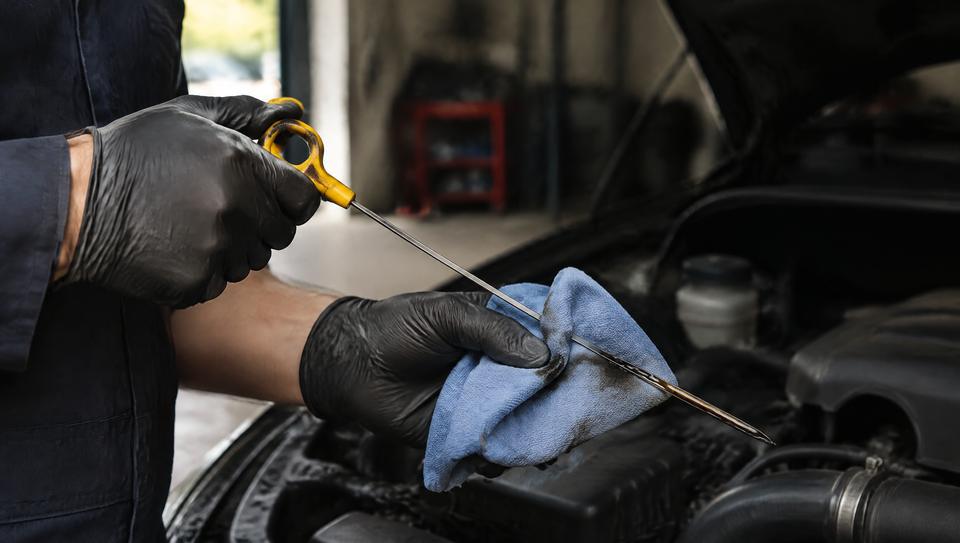
- Read the dipstick with the engine cold and the car level, and note how much it's using between services.
- Look through the service book or invoices for the last cambelt and note the date and kilometres.
- Photograph any warning message on the dash before it clears.
Leave to the mechanic
- Cambelt, water pump and tensioner work.
- Oil changes to the handbook's grade on a wet-belt engine.
- Fault codes, service resets and software updates.
Where we'd start
We'd find out first whether the engine has a wet belt, a dry belt or a chain, because everything else follows from that. Then we'd look for a garage that sees French cars often, and ask for the oil grade and the belt's history written on the quote. Tell us the model and the kilometres. A local mechanic who specialises in your car.