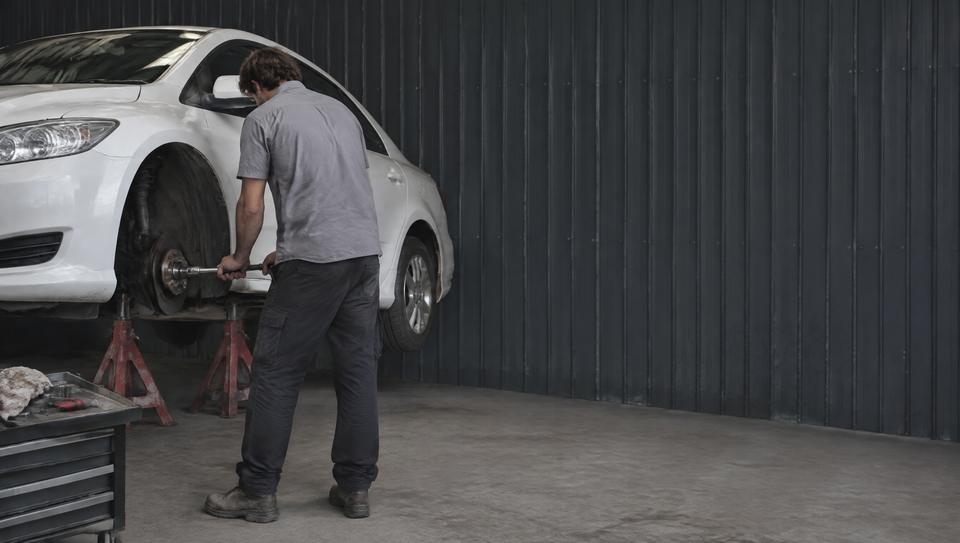
How a repair should go
Describe what the car is doing
When it happens, what it sounds or smells like, and any warning light. A short video of a noise and a photo of the dash help the mechanic more than a guess at the cause.
Agree on finding the fault first
Some faults need time with a scan tool or a test drive before anyone can say what's wrong. Ask what that first step involves and what it costs, before it starts.
Get the repair in writing
Consumer Protection suggests a summary of the work and the cost, in writing if you can, so you have evidence if something goes wrong.
Say no extra work without a call
Tell the garage not to add anything without your approval. If a mechanic charges for work you didn't agree to, Consumer Protection says you may not have to pay for it.
Check the invoice when you collect
It should match what you agreed. Ask to see the old parts if you'd like to, and keep the paperwork.
Estimate or quote: they're not the same
An estimate is the garage's considered guess at the cost, based on skill and experience, and it isn't a fixed price. Consumer Protection says the final bill should generally land within 10 to 15% of it.
A quote is an offer to do the job for a set price. Once you accept it, the garage can't charge more unless you agree to extra work or the job changes along the way. For a bigger repair, ask for a quote rather than an estimate.
Is there a licence to check?
No. New Zealand doesn't license mechanics; most train through an apprenticeship. So the useful questions are about the business: is it registered with an NZBN, is it insured, and does the person working on your car hold a trade qualification for that work.
Some garages also belong to the MTA (Motor Trade Association), whose members sign its code of ethics and can use its mediation service if a dispute comes up.
What are my rights with a car repair?
The Consumer Guarantees Act covers repairs. The work has to be done with reasonable care and skill, be fit for the purpose you asked for, and be finished in a reasonable time if no date was agreed. If no price was set up front, the price has to be reasonable.
A garage can't sign you out of those rights in its terms. And under the Fair Trading Act a business can't mislead you about the work, even by accident.
What if the repair doesn't fix it?
Go back to the same garage first and give them a fair chance to put it right; Consumer Protection says that's the first step. Put the problem in writing and keep copies.
If you can't agree, the MTA may help when the garage is a member. Otherwise the Disputes Tribunal can make a binding decision. It's quicker and less formal than court, and lawyers can't represent either side. Our complaints page covers what to do if your concern is with us.
Warning signs before you say yes
- Pressure to agree on the spot, before you've seen anything in writing.
- A vague description like 'it needs a lot of work' with no parts listed.
- Work started before you approved it.
- Reluctance to explain why a part needs replacing.
- A final bill well above the estimate with no phone call along the way.
What a good written repair quote shows
- The fault found, in plain words, and how they found it.
- Each part, listed, with whether it's the maker's own or another brand.
- The labour for each part of the job.
- Whether it's a quote (fixed) or an estimate (an educated guess).
- How long the garage expects to need the car.
- Any warranty the garage gives on its own work.
What you can do, and what to leave
You can
- Write down the symptoms, when they started, and anything that makes them better or worse.
- Film the noise and photograph any warning lights.
- Gather the service history and any earlier repair invoices.
- Get a second opinion from another garage if you're unsure a part really needs replacing.
Leave to the mechanic
- Finding the fault, with the scan tools and tests that takes.
- The repair itself, especially anything to do with brakes, steering, fuel or airbags.
- Clearing warning lights once the cause is fixed, not before.
What we'd do
We'd describe the fault as clearly as we could, agree on what finding it involves, then ask for a written quote before the repair starts. Say on the day that any extra work needs a call first. If the quote is large and something feels off, a second opinion is normal, and a good garage won't mind.