A WoF isn't a service
It's easy to think a fresh WoF sticker means the car's in good shape. Consumer Protection puts it plainly: a valid warrant of fitness does not mean the car is in good mechanical condition. The inspection looks at safety items such as tyres, brakes, lights and rust, on the day.
A service looks after the parts that wear out quietly: the engine oil, the filters, the coolant, the drive belts, and the cambelt (the belt that keeps the engine's valves in time) when the schedule says it's due. Consumer Protection also notes that regular servicing helps pick up problems early, before they become breakdowns.
Which service does the car need?
| Basic or oil service | Full or scheduled service | |
|---|---|---|
| What's replaced | Engine oil and oil filter | Oil and filter, plus whatever the maker lists at these kilometres: air and cabin filters, spark plugs, fluids |
| What's checked | A quick look at tyres, lights and fluid levels | Brakes measured, suspension, steering, belts, hoses, battery, and a road test |
| When it fits | Between full services, or on an older car driven a lot | Whenever the book says a numbered service is due |
| Book stamp | Ask for it | Yes, with what was done written in |
No service book? Common with Japanese imports
Plenty of cars here arrived used from Japan, and some come with a manual that isn't in English, or with no service history at all. That doesn't mean they can't be serviced to a schedule. A mechanic who sees a lot of that make can work from the maker's schedule for that engine and start a fresh record.
If the history is unknown, say so in the note. The first service is a good time to ask about the big interval items, especially the cambelt, so nothing important is left to chance.
Dealer or independent garage?
For a car still under the maker's warranty, the MTA says a qualified independent mechanic should be low risk, as long as the servicing follows the maker's guidelines and specifications. Extended warranties are different: the MTA says most of them explicitly need dealer servicing to stay valid, so read that booklet before you choose.
Out of warranty, it's your call. Pick a garage that sees plenty of your make, because they'll know its habits and have the right fluids and filters on the shelf. A local mechanic who specialises in your car.
What to ask for in the written quote
- The named service from the book for your kilometres, not just a basic service.
- The oil grade the maker specifies, and which filters are being replaced.
- Any interval items due now, like spark plugs, brake fluid or the cambelt.
- A stamp in the book or an update to the digital record.
- A call before anything extra is done, with the price of that work.
- Whether they can do the WoF at the same visit, if it's due.
What you can keep an eye on between services
You can
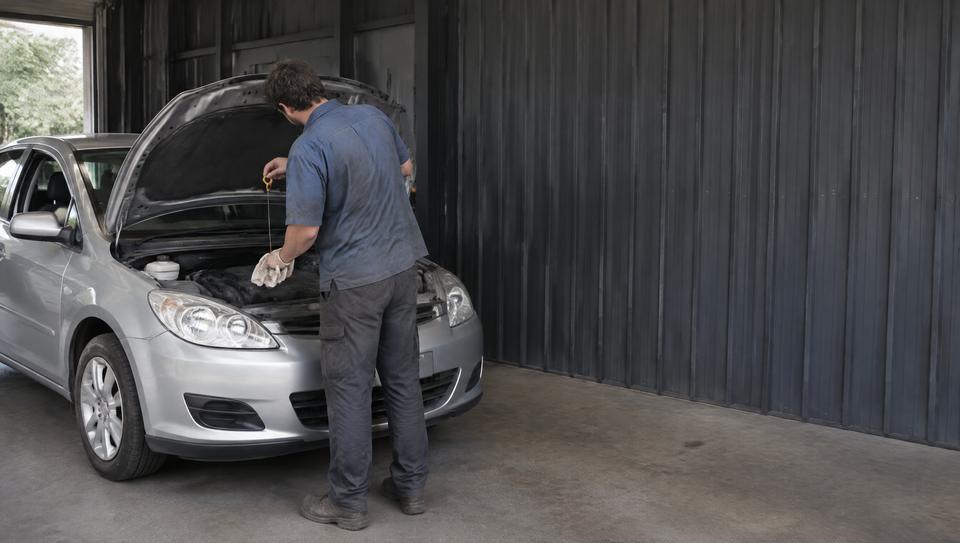
- Check the oil level on a cold car parked on flat ground, as the manual describes.
- Check tyre pressures with the tyres cold, against the sticker in the door frame or the manual.
- Top up the washer bottle, and walk around the car to check every light.
- Note any new noise, smell or warning light, and photograph the dash.
- Keep a note of when the next service is due by kilometres and by date.
Leave to the mechanic
- Oil and filter changes, unless you have the gear to collect and dispose of old oil properly.
- Brake, suspension and steering checks, which need the car up on a hoist.
- Coolant, brake fluid and transmission fluid changes.
- Belts, the cambelt, and anything under the engine.
Where we'd start
We'd open the service book or manual, find the next service by kilometres, and put that and the model in the note. Then ask the mechanic to name that service on the quote and stamp the book when it's done. If the history is a mystery, ask for a once-over of the big-ticket items at the first visit.